Workplace accidents don’t happen in a vacuum. Most stem from overlooked risks, poor communication, or assumptions that “this job is routine.” Toolbox talks—short, focused safety discussions held at the worksite—are one of the most effective ways to break that cycle. But without the right topics, these meetings become routine too, losing impact and employee attention.
A strong toolbox talk topics list keeps safety conversations relevant, actionable, and connected to real job tasks. Whether you're managing a construction crew, overseeing maintenance teams, or running a warehouse, the topics you choose determine whether safety sticks—or slips.
This guide delivers a curated, practical list of high-impact toolbox talk subjects, organized by risk category, with real-world examples and implementation tips to keep your team engaged and protected.
Why Topic Selection Matters More Than You Think
Many teams treat toolbox talks as a compliance checkbox—10 minutes, one person reads from a script, everyone signs a sheet. But when topics don’t reflect current site conditions or real hazards, engagement plummets, and so does effectiveness.
A 2023 National Safety Council report found that 68% of frontline workers admitted to tuning out during safety talks when the content felt irrelevant. The fix? Tailor topics to actual work being done that day.
For example: - Wrong approach: Delivering a generic fall protection talk on a ground-level electrical job. - Right approach: Talking about overhead power line awareness when crews are working near service entrances.
Selecting the right topic turns a routine meeting into a risk intervention.
Top 10 High-Impact Toolbox Talk Topics
#### 1. Personal Protective Equipment (PPE) Use and Limitations
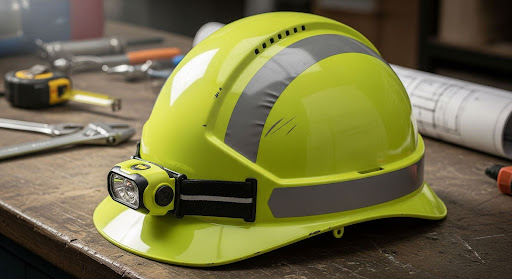
PPE is the last line of defense—but often the most misunderstood. Talks should go beyond “wear your hard hat” to cover:
- Proper fit and inspection (e.g., cracked harness straps)
- Task-specific gear (e.g., cut-resistant gloves for sheet metal work)
- Common bypasses (e.g., removing safety glasses to wipe sweat)
Example: On a roofing crew, discuss how high-heat environments can degrade helmet integrity—and why swapping gear with coworkers is a hidden hazard.
Pro tip: Bring in damaged or expired PPE. Let workers examine it. Seeing a frayed lanyard up close beats any slide deck.
#### 2. Fall Protection for Working at Heights
Falls remain the leading cause of construction fatalities. A toolbox talk here should cover:
- Anchor point verification
- Ladder safety (3-point contact, extension past landing)
- Harness inspection and suspension trauma response
Use case: Before starting facade work on a 3-story building, run a talk focused on edge protection and rescue planning—especially if no formal rescue system is in place.
Limitation to address: Many workers assume fall arrest = safe. Emphasize that suspension trauma can be fatal within 15 minutes without prompt rescue.
#### 3. Hazard Communication and Chemical Safety
With SDS sheets often ignored or inaccessible, short talks on chemical risks can be life-saving.
Focus on: - Label reading (GHS pictograms) - Ventilation needs - Skin exposure risks (e.g., solvents in confined spaces)
Real mistake: A crew using degreaser in a pump room didn’t realize it was flammable. No ventilation, no fire watch. A nearby welding spark caused injury.
Action step: Pick one chemical used that week. Review its SDS section-by-section during the talk.
#### 4. Electrical Safety and Lockout/Tagout (LOTO)
Electrocution risks aren't just for electricians. Maintenance, HVAC, and even janitorial staff interact with energized systems.
Key talking points: - Testing before touching - One-person, one-lock rule - Stored energy (e.g., hydraulic systems)
Common gap: Workers assume a machine is off because it’s not running. Teach them that residual energy can persist.
Workshop tip: Use a mock LOTO drill during the talk. Have a team member demonstrate locking out a conveyor feed.
#### 5. Safe Lifting and Manual Handling
Back injuries cost U.S. employers over $15 billion annually. Yet lifting techniques are often assumed rather than taught.
Cover: - Proper stance and body mechanics - Team lifts for loads over 50 lbs - Use of mechanical aids (dollies, hoists)
Example: A warehouse team moving 70-lb boxes developed a pattern of twisting while lifting. A 10-minute talk with a demonstration reduced strain incidents by 40% over six weeks.
Engagement hack: Bring a dolly or lift assist device to the talk. Let workers try it with real loads.
#### 6. Hot Work and Fire Prevention
Welding, grinding, and cutting generate sparks that travel. A fire can start 35 feet from the work zone.
Critical points: - Fire watch duration (minimum 30 minutes post-work) - Clearance of combustibles - Extinguisher readiness (type, location, inspection)
Near miss example: Sparks from a grinder ignited sawdust in a wall cavity. Fire watch caught it 10 minutes after work ended.
Checklist idea: Have crews walk the area before starting hot work. Mark what needs wetting down or shielding.
#### 7. Confined Space Awareness
Not all confined spaces are labeled. Tanks, manholes, and even large ducts qualify—and pose atmospheric, engulfment, and entrapment risks.
Discuss: - Entry permits and gas testing - Communication methods - Rescue vs. retrieval systems
Mistake to highlight: Using a rope tied to a worker’s waist as “retrieval.” Real retrieval requires mechanical advantage systems.
Reality check: Most sites don’t have confined space rescue teams on standby. Know when to call for professional help.
#### 8. Hand and Power Tool Safety
Tools are so familiar that hazards become invisible. A drill bit can become a projectile; a frayed cord can energize a tool body.
Talk about: - Daily pre-use inspections - Ground fault protection (GFCI) for outdoor tools - Securing workpieces (never hold by hand)
Example: A worker used a circular saw with a damaged guard. The blade kicked back, causing a laceration. A pre-job talk on tool condition could have prevented it.
Engagement tip: Collect damaged tools from the site and display them as “what not to do” examples.
#### 9. Slips, Trips, and Trip Hazards
These are the most common—yet preventable—workplace injuries. Talks should address:
- Housekeeping responsibilities
- Temporary cord management
- Weather-related changes (ice, mud)
Use case: After a rainy week, discuss temporary walkway setups and mud removal protocols before crews enter the site.
Practical rule: “If you see it, fix it or flag it.” Empower every worker to address hazards immediately.
#### 10. Fatigue and Mental Focus
Often ignored, fatigue impairs judgment like alcohol. Long shifts, early starts, and personal stress add up.
Cover: - Signs of impaired focus (repeating tasks, missed cues) - Hydration and rest breaks - Peer accountability (“see something, say something”)
Real impact: A night-shift operator missed a warning light due to fatigue. The equipment overheated. The incident was traced back to cumulative sleep debt.
Non-punitive approach: Frame fatigue as a shared risk, not a personal failing. Encourage open reporting.
How to Use
This Toolbox Talk Topics List
A static list isn’t enough. To drive real change, integrate topics into your workflow:
- Align with the day’s work. If drilling into concrete, talk about silica dust and respiratory protection.
- Rotate topics monthly. Cover high-risk areas quarterly, reinforce basics regularly.
- Assign facilitators. Rotate among crew leads to build ownership.
- Document selectively. Focus on high-risk talks (falls, LOTO) for compliance.
- Encourage questions. The best talks end with “What else should we be worried about?”
Avoid monotony by varying delivery: - Demonstrate equipment - Show incident photos (blurred, respectful) - Use “what would you do?” scenarios
Common Pitfalls to Avoid
Even with good topics, poor execution kills effectiveness.
Pitfall 1: One-size-fits-all talks → Fix: Customize for crew, task, and site conditions.
Pitfall 2: Monologue format → Fix: Ask open-ended questions. “Where’s the nearest AED?” or “What’s one hazard you see right now?”
Pitfall 3: Ignoring near misses → Fix: Turn them into talk topics. “Yesterday, a forklift almost clipped the scaffold. Let’s talk visibility and spotters.”
Pitfall 4: No follow-up → Fix: Assign one action per talk. “Today, everyone checks their harness before use.”
Make Safety Stick: Final Tips
Toolbox talks aren’t about filling a logbook. They’re about changing behavior. The right topic at the right time can prevent an injury—or even save a life.
Use this toolbox talk topics list as a living document. Update it quarterly. Pull from incident reports, audit findings, and worker feedback. Let the site conditions guide your choices, not a generic calendar.
Start tomorrow with a 7-minute talk on one of these topics. Make it visual. Make it real. Make it count.
FAQ
What is the most common toolbox talk topic? PPE usage is the most frequently discussed topic due to its universal relevance across job sites.
How long should a toolbox talk last? Ideal duration is 5 to 10 minutes—long enough to cover essentials, short enough to maintain attention.
Who should lead a toolbox talk? Supervisors typically lead, but rotating among experienced crew members increases engagement and ownership.
Do toolbox talks need to be documented? Yes, especially for high-risk topics. Records support compliance and show due diligence in audits.
Can toolbox talks reduce accident rates? Yes—consistent, relevant talks improve hazard awareness and safety culture, directly reducing incident frequency.
Should toolbox talks be the same every week? No. Topics should rotate based on current tasks, seasonal risks, and past incidents to remain effective.
How often should toolbox talks be held? Weekly is standard, but high-risk operations may require daily talks before critical tasks.
FAQ
What should you look for in Top Toolbox Talk Topics for Safer Workplaces? Focus on relevance, practical value, and how well the solution matches real user intent.
Is Top Toolbox Talk Topics for Safer Workplaces suitable for beginners? That depends on the workflow, but a clear step-by-step approach usually makes it easier to start.
How do you compare options around Top Toolbox Talk Topics for Safer Workplaces? Compare features, trust signals, limitations, pricing, and ease of implementation.
What mistakes should you avoid? Avoid generic choices, weak validation, and decisions based only on marketing claims.
What is the next best step? Shortlist the most relevant options, validate them quickly, and refine from real-world results.